Funding & Projects
Funding
Currently, SCI MIC operates on an annual budget of approximately $50,000. Its major sources of present and future funding are:
- Voluntary contributions from constituent Safari Club International member chapters,
- Matching grants from Safari Club International Foundation (SCIF) for select contributions made by SCI MIC constituent member chapters to fund MDNR conservation and research projects.
- Voluntary donations from the general public due to the 501(c)(3) exempt status of SCI MIC.
- 2026 Michigan Deer Cooperator Patch Program.
Funds donated by SCI MIC for MDNR major wildlife conservation and research projects receive a 3:1 match of Pittman-Robertson funds from the U.S. Fish and Wildlife Service. Thus, a $3000.00 chapter donation to a MIC-MDNR project can grow to $5000.00 via a $2000 SCIF matching grant, and then the $5000 gets leveraged to $20,000.00 via the 3:1 match from the Pittman-Robertson funds.
The administrative submission for the Pittman-Robertson funds is done by the MDNR as part of its annual submission for these funds from the U.S. Fish and Wildlife Service.
MIC Projects
What SCI MIC has accomplished through 2026
MIC has funded the following major projects:
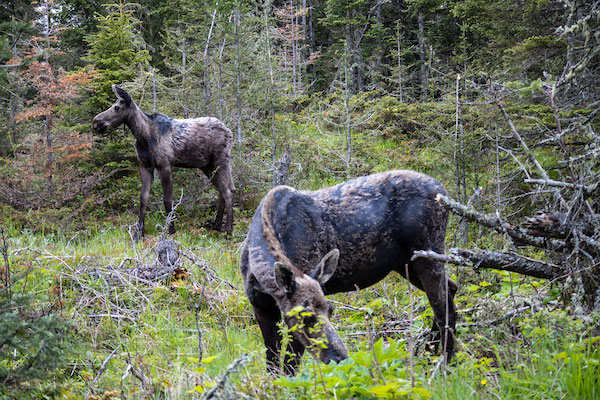
- Michigan U.P. Moose Reintroduction
- Michigan Black Bear DNA Population Tracking/Model
- Michigan DNR Fluorescent Microscope
- Northeast Lower Michigan Elk Project
- Michigan U.P. Moose Population Model
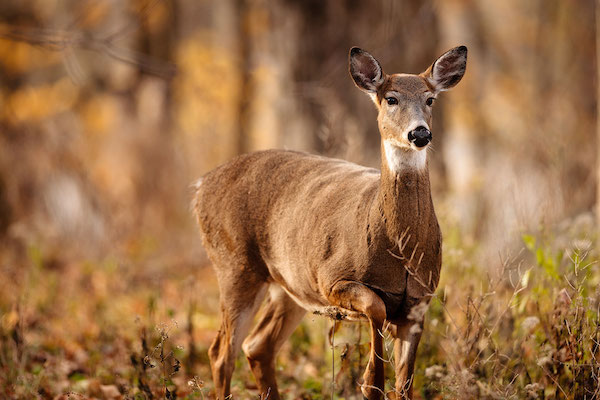
- Southern Michigan Deer Project
- Michigan Deer Bovine TB Study
- Michigan Northern Lower Peninsula Marten Project
- Michigan Bobcat Project
- Michigan Predator/Prey Research Project
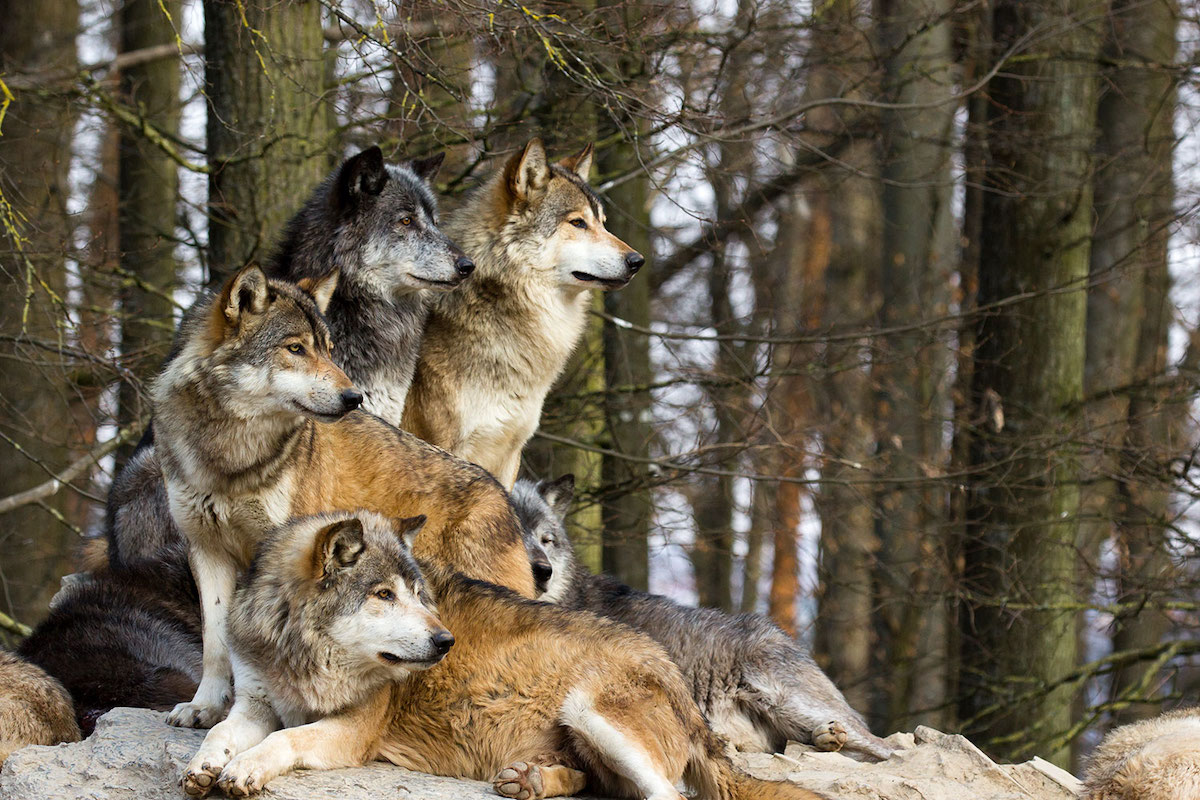
- Gray Wolf – 2013, 2014, 2015, 2016, 2017, 2018, 2019, 2020, 2021, 2022, 2023, 2024, 2025
- Southern Michigan Black Bear – 2013, 2014
- Diving Duck – 2013, 2014, 2015
- Snowshoe Hare Distribution and Abundance – 2013, 2014
- EHD – 2014, 2015
- Feral Swine – 2015, 2016, 2017
- American Woodcock – 2016, 2017, 2018
- Mute Swan – 2016, 2017
- Northern Michigan Habitat Work Group – 2017, 2018, 2019, 2020, 2021, 2022, 2023, 2024, 2025
- Deer & Northern Hardwoods in Michigan – 2017, 2018, 2019, 2020, 2021, 2022
- U.P. Deer Movement – 2018, 2019, 2020
- Black Bear Baiting Responses – 2019
- State Game & Wildlife Areas Usage – 2019
- Surrogate Sow/Orphaned Cub Program – 2020, 2021, 2022, 2023, 2024, 2025
- MiniSeq Platform Project – 2020, 2021, 2022
- Deer Behavior and CWD Spread – 2021, 2022, 2023, 2024, 2025
- Purchase track chair for disabled hunter use in Roscommon County 2024
- Annual funding of Joseph G. Schotthoefer Memorial Scholarship Program
- Funded Bear, Moose and Wolf population survey 2024 and 2025.
- Funded first of its kind Conservation and Hunting College course at MSU. This course exposed students to the history, ethics and practice of hunting, the consumptive use of game species, and public policy issues. Lab work included hands on use of archery and firearms at targets.
- Funded extensive moose movement and mortality survey in the Upper Peninsula through the purchase of tracking collars.
- In collaboration with SCIF ( Safari Club International Foundation ) introduced the first of its kind venison donation program for white-tailed deer harvested by hunters to feed those in need called Michigan Sportsman Against Hunger in 1991. 2026 donation from MIC was $25,000 matched by an additional $75,000 from SCIF.
- Initiated deer cooperators patch purchase program to fund white-tailed deer projects in the state of Michigan. Patches are available exclusively through MIC on the SCIMIC.org website.